Look deep into nature, and then you will understand everything better. ~Albert Einstein
Natural blue Tanzanite, thanks to Geology. These pieces are actually the same. Viewed from different directions, Tanzanite can display as different colors.
Not discovered until 1967 in Tanzania, Tanzanite immediately soared in popularity, thanks to a public education promotion initiated by Tiffany & Company.
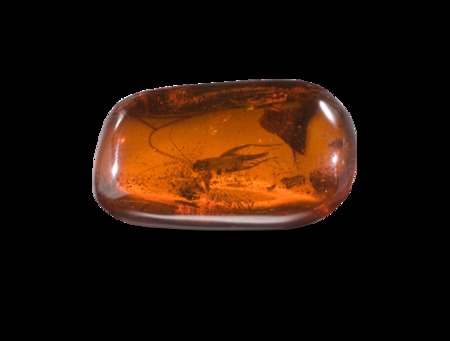
Neither a true crystal or a mineral, Amber is an organic gem (others include pearl, coral, and petrified wood) deriving from the fossilized resin of now-extinct evergreen trees over millions of years.
The oldest Amber on earth is estimated to be 320 million years of age!
Look deep into nature, and then you will understand everything better. ~Albert Einstein
Considered by many as the gem of gems, Sapphire is a stone of wisdom, royalty, prophecy, and Divine favor.
A symbol of power, kindness, and good judgment, Sapphire is composed from the mineral corundum (the same as Ruby). It’s trace amounts of iron and titanium that make the corundum blue, ranging from very pale to very dark, from a green to a violet shade.
Look deep into nature, and then you will understand everything better. ~Albert Einstein
The earliest diamonds were found in the 4th century B.C. in India.
Composed of mostly carbon that’s been subjected to extremely high temperatures and pressure, the name ‘diamond’ comes from the Greek word adamas, translated ‘unconquerable, invincible.’
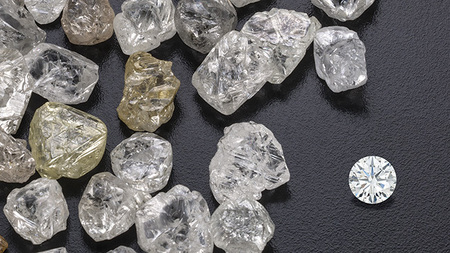
The contrast of uncut diamonds with the polished, cut version in the lower right corner is striking (photo thanks to www.gia.edu (the Gemological Institute of America)
Look deep into nature, and then you will understand everything better. ~Albert Einstein
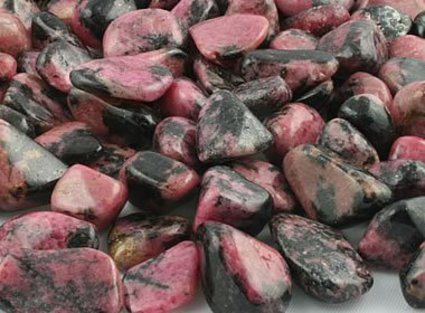
The name Rhodonite comes from the Greek rhodon (meaning “rose”). This lovely gemstone is a manganese silicate containing veins of iron, magnesium, and calcium.